The Benefits of Customer Education

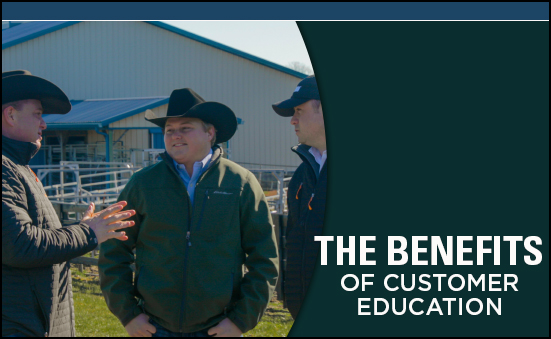
We ask a lot of our employees – be knowledgeable about the products, provide outstanding customer services and sell, sell, sell the product! But did you know there is another important task that we need to have them do? Yes, we need to start educating the customers on the products and services.

Education is not the same as marketing, and when you educate your customers, they feel empowered to make greater decisions. Customer education happens when you present the facts. According to the article by Customer Think, when you educate your customers, you “equip customers with the knowledge & skills needed to make the most out of your product or services.”

So, how is that different from marketing? With education, you are only presenting them the facts to help them solve their problems or meet their goals. With marketing, you are getting emotionally involved and persuading them to purchase a product or service through elaborating on features and benefits of the product or service.

Although marketing is key to making the sale, let’s explore the three key benefits to providing customer education.

  1. Build Customer Trust. Any time you provide information and take time to present that information, you are communicating with your customers. Communication builds trust and trust builds loyalty. According to the Customer Think article, people will trust a business that has presented several solutions to their challenge; not just tried to sell them one product that will do the job.
  2. Reduce Complaints. When the initial trust is built between the customer and the business, the number of complaints will decrease. Furthermore, when the customer is fully educated about a product or process, he or she can do some of his or her own troubleshooting, which will free up your support staff’s time.
  3. Enhance Customer Loyalty. The customer trusts the business because the business took time to provide information. The customer understands the benefits and challenges of the products and how they will help achieve goals. Because of the trust established, the customer will usually remain loyal to the brand or the business.

Now that you’ve learned why you should educate your customers; how will you accomplish it? You are probably already doing several things to provide information but remember to think about the basics when it comes to providing information.

There are several avenues you can use to deliver information to your customers such as producer meetings, in-store meetings, on-farm visits and via social media channels. Use these outlets to provide the most current information about the products. To stay relevant and current on product information, be sure to take advantage of the resources BioZyme ® provides like Master Dealer Training, Dealer Retreat, Online Dealer Center and other communication tools.

Informed customers make informed choices, have trust in a product and company and become loyal customers. Yes, your plate is full, but the time you spend educating your customers will just help you grow your business even more.


Resource used in this article: http://customerthink.com/educating-your-customers-the-benefits-how-to-achieve-it/

May 2019 – Letters from Lisa

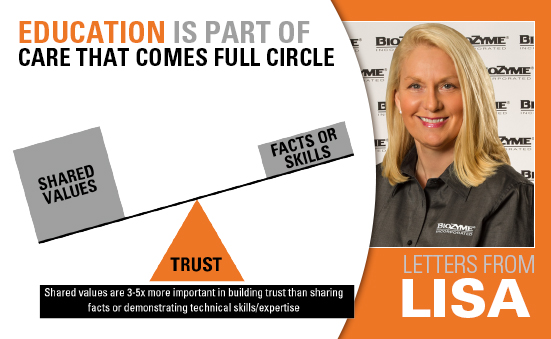
Education is Part of Care that Comes Full Circle.

At the risk of singing to the choir, I am going to attempt to share how all of us can educate others about our industry and the importance of what we do using “care that comes full circle” as our guide.

According to a study conducted by The Center for Food Integrity, 56% of consumers say they know just a little bit about the farming practices that produce their food, but 80% want to know more. More than half are interested in affordable, healthy food and are confident in its safety. Unfortunately, that means half are not. Stats specific to livestock found that 38% desire meat that is derived from humanely treated animals, while 48% are unsure if that is important to them or not. In addition, 54% are concerned about antibiotic residues in their food.

The study also found that trust is the key to consumers when it comes to sharing information (educating). What drives this trust? Shared values.

A good example of doing this is found in a response by a veterinarian mother.

“Hello, I’m Dr. Dorman! As the mother of three children, it is vitally important to me to ensure that antibiotics are effective when I need them most: when one of my kids is sick. As a veterinarian, I also recognize the importance of antibiotics to the welfare of animals. I took an oath to protect animal health, prevent animal suffering, and to promote human health. Remaining true to this oath is very important to me.”

With these stats and insight, the question is how do each of us educate and then advocate for our industry? I believe the three thoughts below uses a “care that comes full circle” approach. In other words, it is based on the idea that if we take care in our approach to educate; the other party will care enough to listen back with an open mind due to shared values.

  • Listen without judgment to their values to find out what is important to them.
  • Ask questions to acknowledge their perspective and then dig deeper to show you want to understand things more, while trying hard not to comment back or use a defensive tone in any way.
  • Share your perspective through your values and then use resources that have supporting information to that perspective.

If you are interested in seeing this approach in action, you can watch a helpful video that AFIA produced at https://vimeo.com/219907731/df206803cd.

Interestingly enough, this approach is just as useful with things around your business. That might be a great place to practice this approach.

Whether training employees or teaching consumers about agriculture, I think you will find this three-step approach helpful. Listen, ask and share. If we listen before we share, we’ll seem genuinely interested and that is the first step in “care that comes full circle.”

VITA CHARGE STRESS TUBS JUST GOT HOTTER

The same great Vita Charge Stress Tub you love that supports digestive health and promotes feed and water intake during times of stress and recovery is now available with HEAT to help prevent heat stress during temperatures of 70 degrees and above. Vita Charge Stress Tub HEAT is a cooked tub for beef cattle that supports digestive health and conveniently allows beef cattle to get their daily dose of Vita Charge without additional handling.

Contains:

  • Amaferm® to combat stress resulting in increased intake, digestibility and nutrient absorption.
  • MOS to trap bad bacteria limiting their ability to do harm.
  • Capsaicin to help maintain circulation to support animal performance and gain in heat stress situations.
  • Garlic, considered a natural insect repellent.

This product became open for ordering yesterday, May 1st and will begin shipping out the middle of May.

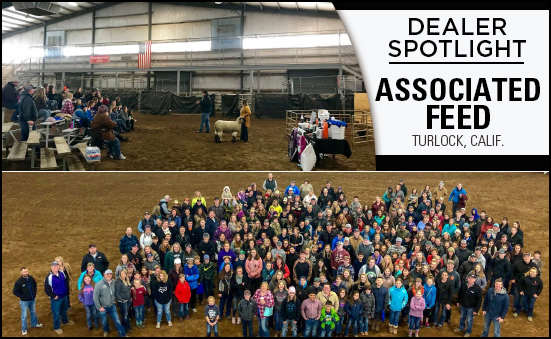
Dealer Spotlight: Associated Feed

Associated Feed Develops Next Generation of Livestock Enthusiasts

Imagine taking one day away from your dealership or store front to teach upwards of 1,000 people the basics about feeding and showing livestock. You’ve just enriched 1,000 lives with information and potentially created an interest to continue pursuing a career in the livestock field, but you’ve also come into contact with a lot of potential customers.

Associated Feed & Supply, Turlock, Calif., has hosted at least 12 all-day, totally-free Associated Feed Junior Livestock Camps each October for young livestock exhibitors, the parents, 4-H leaders and FFA advisors in Central California. The day-long camp that focuses on evaluation and selection, nutrition and feeding, fitting and showing of beef, sheep, goats and hogs, is conducted at Modesto Junior College.

“Livestock and agriculture are dying industries, and we feel it is our job to help these kids learn more about their projects to where we not only we can help educate them to have a successful project, but also spark their interest in ag to continue their involvement in agriculture,” said Nick Warntjes, Associated Feed’s Northern California Sales Rep who manages the Camp. “We want to make sure the kids, parents, 4-H leaders and FFA advisors have the tools and resources they need for a successful livestock project. Selling feed is a secondary bonus.”

Warntjes said they invite highly reputable industry leaders from all parts of the United States to teach about each species, one of the things he believes is such a big draw for the attendees each year. He said in the last Camp, between 500-600 people were pre-registered, but 800-1,000 people actually showed up. The reason they ask for preregistration is to ensure every youth leaves Camp with a unique t-shirt.

“Every kid gets a free Camp t-shirt. It is pretty amazing how much that t-shirt means to the kids. I see those t-shirts at county fairs and worn all over the place the next year,” Warntjes said.

And because the California Camp has been so successful, typically drawing youth from California, Nevada, Idaho and Washington, Associated Feeds expanded its efforts and offered a similar Camp in Oregon this past February. Warntjes said that first-time event drew 300 participants from Oregon, Washington, Idaho and Northern California, stating one family even drove 10 hours to attend.

“I truly appreciate the support of Chris Benevedes, my boss at Associated Feeds. He approves and supports these camps. He’s been very generous in continuing to allow us to expand this event and allow us to put it on,” Warntjes said.

Finding high-quality speakers that are respected within the industry are what draws so many people to the Camps. Warntjes asks each year how many young people have previously attended and estimates 30-40% are repeat attendees.

“It’s about bringing knowledgeable people in front of the kids where they can learn something and ask any questions they have.”

Associated Feeds knows the importance of developing the future generations and they give back one day each October to do just that. They get involved, provide the resources and create a spark of excitement in livestock enthusiasts.

Dont Miss The American Rancher April 29th!

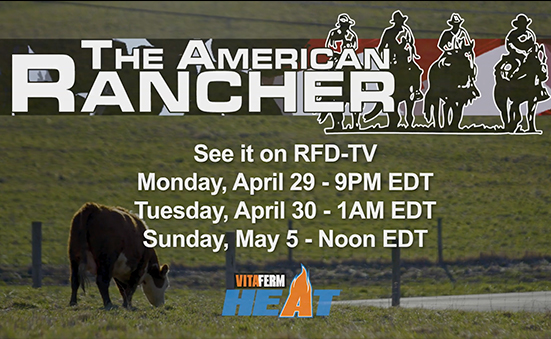
Be Sure to set your DVRs for our next episode of The American Rancher April 29th at 9:00 PM EST. See how VitaFerm Heat is working in the elite seedstock operation at Boyd Beef Cattle in Kentucky, then ride with us to Tennessee, where we’ll feature a stocker operation that has had great success using VitaFerm Gain Smart HEAT to combat summer stressors.
There will also be a re-air Tuesday, April 30th at 1:00 AM EST and Sunday, May 5th at Noon EST.

Sure Champ® and Vita Charge® Positioning Tools

WHEN TO USE IT:

Sure Champ EVERY. DAY: Just like a human that takes his or her daily vitamins and supplements to stay healthy, your livestock need the same daily care. Sure Champ products proactively work to assist with the challenges created by the show environment. All Sure Champ products contain Amaferm® a precision-based prebiotic designed to enhance digestibility by amplifying nutrient supply for maximum performance.

Vita Charge During Stress: Show animals are under constant stress, and it is almost certain their digestive system will be compromised, or they will go off feed at some point in their lives. Being armed and ready with Vita Charge is an excellent way to combat those stressful times and ensure your livestock are back on feed fast.

Use during: Receiving • Hauling • Sickness • Showing

GETTING STARTED GUIDES:

  • Take advantage of our amazing resources to help your new feeders get started. There is a guide for each specie, and they have tons of helpful information including:
    • Nutrition & Feeding Tips
    • Equipment Needs
    • Educational Resources.

These helpful guides can be found on the Sure Champ website at www.surechamp.com and then clicking on the individual specie silhouettes on the homepage.

MORE HELPFUL TOOLS:

We have many other great resources for to provide to your show livestock customers to help them learn more about the Sure Champ + Vita Charge products and how to be successful with their show project.

  • Prep to Win Videos How-to videos that will help your customers “prep to win” in the ring with their cattle and pig show projects.
  • Join our community of over 100,000 followers to get the latest education and product information.

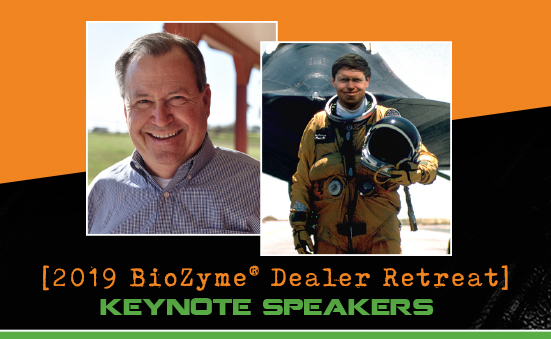
2019 Dealer Retreat Keynote Speakers

Doug Slattery – 44 Farms
Doug Slattery learned the value of dedication, hard work and integrity at an early age working on the family corn, soybean and cattle farm in Grundy County, Illinois. During his youth, Doug developed a particular passion for cattle production, being especially drawn to purebred Angus cattle. After leaving home, Doug would go on to work at and manage several Angus operations and herds across the U.S. This would soon turn into more than 40 years of service to the Angus breed and business.
Today as the Chief Operations Officer for 44 Farms, at Cameron, Texas, Doug helps oversee one of the largest and most genetically recognized purebred Angus production operations in the world as well as one of the most successful branded beef programs in the U.S.

Doug Slattery is an experienced cattleman, well versed in the complex and shifting needs of today’s livestock industry – from driving improved breed efficiency through genetic advances, to developing thousands of bulls a season that meet the needs of the commercial beef producer, to getting steaks on the table from coast to coast.

Brian Shul
Brian Shul is one of the most popular and dynamic keynote speakers in America today. His compelling story of living fearlessly and embracing the opportunities each day brings,
resonates with men and woman of all ages. As an Air Force fighter pilot, Brian was shot down in the Vietnam War and severely burned in the ensuing crash. Initially given up for
dead, he was finally rescued and spent one year in hospitals, endured 15 surgeries and was told his flying days were over. Amazingly, Brian returned to active duty flying, and became one of only 93 men in history to fly the SR-71 spy plane, the fastest jet ever built.
Brian masterfully uses his aviation slides and stories as a vehicle to tell a broader inspired story of hope, overcoming obstacles and daring to dream. From lying near death in the jungles of Southeast Asia to flying the world’s fastest jet, Brian shares his amazing story in this most unforgettable one-of-a-kind presentation that both inspires and educates.
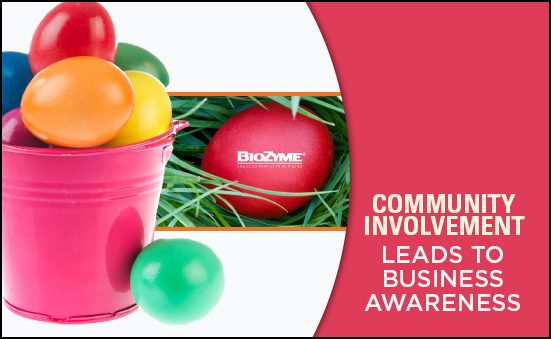
Community Involvement Leads to Business Awareness

Giving back to your community and the people within it usually leaves the giver with a great sense of accomplishment and good will. However, if your business and its employees take time to get involved in community events, it will spread that sense of giving even further and spread brand awareness and business loyalty within your community.

While you and your business are making a societal impact, you are also actually doing good things for your business and employee morale. Studies have shown that a business’s involvement in community outreach will actually strengthen employee retention, especially with younger employees who have been taught the value of giving back through school and other organizations. And, while employee retention might not sound like a big deal, it is actually huge when it comes to the cost of replacing an employee. The recruiting, hiring and training process can cost a company thousands of dollars. Here are four other ways you can make a positive impact on your business while helping others in the community.

Increase Brand/Business Awareness

When you get involved in community events, you represent not only yourself, but your business. Introduce yourself that way. Others that you are working with will likely be curious about what you do/make/sell. And chances are, someone you are volunteering with that day will have a need for some good or service you offer. Remember, a majority of households have pets, and BioZyme ® markets canine products. You can also use the opportunity to promote your good will on your company website or social media. Take photos of your employees giving back and put them out on social media or make a display board in your store. Local customers are more likely to do and continue business with companies that are involved in the community.

Connect with the Community

It seems obvious that if you are participating in community service events that you are making connections. But your connections can lead to an amazing network of professionals, potential customers and employees. Maybe you have been thinking about engaging in social media, but don’t have the time, patience or skill set to post everything you want on your company Facebook or Twitter. When you are volunteering your time, you might just find someone who is capable of working on social media on a part-time basis, or you might be able to find other ways to connect by joining professional organizations or service groups.

Make a Difference

In a day where the nightly news is filled with so much bad isn’t it time to make a difference? You never know what the impact might be of a meal served to a shut-in or volunteering for a community Easter egg hunt will mean to a child who might not ever receive an Easter basket. Although giving back is sometimes thankless, the small smiles, hand squeezes and simplicity of knowing you made the difference to at least one person should make you want to give your time and efforts.

Grow Internal Relationships

At the beginning of this article, it was mentioned that employee retention is just one benefit of community involvement. However, if your business can devote a half-day or day to the community, it will give your employees a chance to build greater bonds, come together outside of work and appreciate one another as humans and not just co-workers. Having strengthened relationships outside the company will increase employee morale and leave a positive impression on the employees, giving them a great sense of ownership in a company that supports its community.

Giving back. It’s good for the soul, and it’s good for business. Not only does it feel good to give your time and talents, it might just help you increase company morale and grow your business at the same time.

Leadership Behind the Scenes

Not all great leaders will be recognized with a lengthy title, a big square on the top of an organizational chart or by recognition in the local paper for his or her community service. Some of your company’s best and most brilliant leaders might just work in the back of the building.

It’s true. It takes all types of people to make a business function and it takes all kinds of people to become leaders. And yes, we do need those extroverted leaders who want to set in meetings and make decisions that will impact the business and its employees for years to come. We need the leaders who aren’t afraid to teach others the newest sales and marketing techniques and aren’t afraid to talk to a room of 100 dealers, and we need those leaders who will travel up and down the road to spend nights away from their families to sell our great product.

However, we need leaders that will make things happen that we don’t even think about. Think about the crew in the production plant. They work in there, day after day after day. They know the processes and equipment better than anyone in the building. How many BioZyme® dealers have heard the name Dan Wierzba? Probably not too many raised their hands. Dan is the Director of the Plant. Last fall, he along with Nicholas Fansher, a bagging operator, created an automated Sure Champ® Cattle scoop dispenser with little cost or effort, that would ultimately save the bagging operator hours of time. That is leadership. They saw a need; they acted and accomplished something to improve efficiency. Nobody knows them from a fancy title or a big meeting, but they are leaders.

What if I wrote the name Jody Purvis? A few more of you might recognize her name; she does come to dealer retreat and talks to many of our dealers on the phone. She is the one that makes sure every dealer has supplies; literature, apparel, signage, etc. She makes sure that Action Awards point orders are filled. She works with the BioZyme staff to make sure they have supplies for trade shows and meetings and she rarely says “no” when asked to complete a task. She is at the office early and often stays late. She knows the ins and outs of the company, and she will spend time on the phone with new hires to make sure they get the training they need to complete an expense report correctly. That is leadership. She is there to help. She gets tasks accomplished. She doesn’t always get extra praise or recognition, but she is a leader.

Leadership is not solely a title or a position on an organizational flow chart. Leadership is an action; it is often a sign of passion for helping others and doing the right thing. If you have the right people in the right positions, even the most non-public of your employees can demonstrate their leadership skills and help your business grow.